
Published: October 2026 | Category: Outdoor Facade
Quick Answer
Lighting bridges and critical infrastructure requires a specialized engineering approach that goes far beyond standard architectural lighting. To execute successful bridge LED lighting projects, you must specify highly durable weatherproof bridge lights (IP66/IP67) capable of withstanding extreme wind loads and vibration. The key to visual excellence lies in using asymmetric optics for bridges, which ensures the light washes evenly over the structural elements without causing glare for drivers or pedestrians. Furthermore, a reliable infrastructure lighting solutions plan incorporates advanced surge protection and remote monitoring to guarantee the longevity of the city infrastructure LED system.
Introduction: More Than Just Illumination—It's About Safety and Legacy
Bridges are the arteries of modern cities. They are iconic structures that define skylines, but they are also critical pieces of infrastructure that demand the highest levels of safety and reliability.
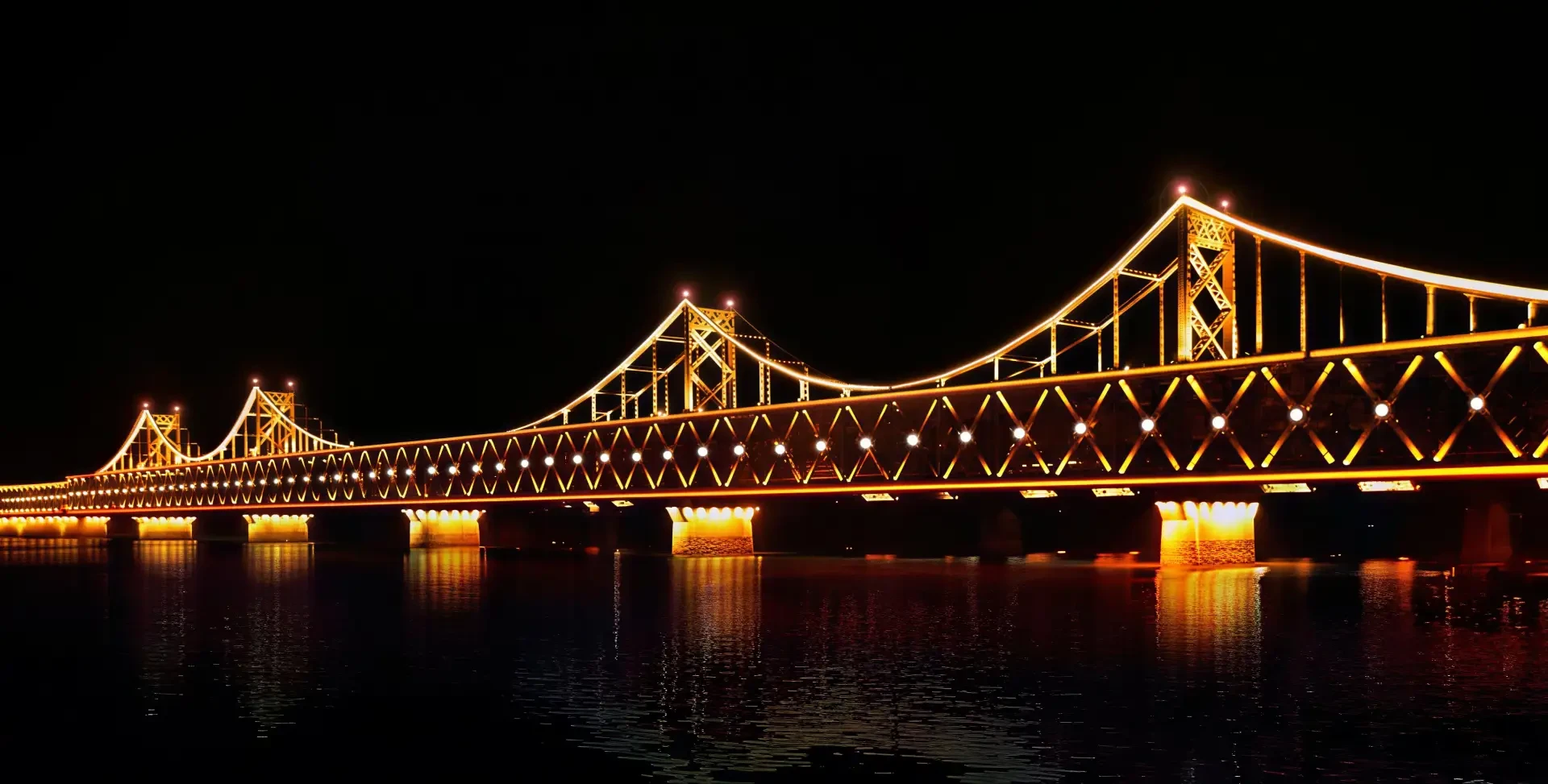
When we talk about bridge LED lighting, we are not just talking about making a bridge look beautiful at night. We are talking about illuminating roadways for driver safety, highlighting structural elements for aviation warning, and creating a landmark that drives tourism and civic pride.
However, installing city infrastructure LED systems presents a unique set of engineering challenges. Bridges are exposed to relentless wind, constant vibration from traffic, extreme weather, and the corrosive effects of salt and moisture. Standard architectural lighting simply will not survive.
This technical guide will walk you through the essential specifications and design principles for executing infrastructure lighting solutions that are both breathtakingly beautiful and built to last for decades.
1. The Core Engineering Challenge: Weatherproof Bridge Lights
The most common point of failure in bridge lighting is the environment itself.
Extreme Weather and Vibration
Bridges vibrate constantly due to heavy traffic and wind. This vibration can loosen connectors, crack seals, and fatigue wiring. Weatherproof bridge lights must be engineered with robust anti-vibration mounting systems and locking connectors.
IP66 vs. IP67 vs. IP68
For bridge LED lighting, IP65 is rarely sufficient. You must specify at least IP66 (protected against powerful water jets, like heavy rain and high-pressure cleaning). For fixtures mounted low on the bridge structure near water, IP67 (temporary immersion) or IP68 (continuous immersion) is required.
Anti-Corrosion Materials
The combination of salt, moisture, and oxygen accelerates rust. Always specify fixtures with die-cast aluminum housings and marine-grade anti-corrosion coatings. Stainless steel hardware (like 316 marine-grade stainless) must be used for all mounting brackets.
Surge Protection
Bridges are massive lightning targets. A single power surge can destroy an entire lighting string. All infrastructure lighting solutions must include built-in surge protection modules (e.g., 10kV or higher) to protect the drivers and LEDs.
2. The Physics of Light: Asymmetric Optics for Bridges
When lighting a bridge, controlling the beam of light is critical—both for aesthetics and for safety.
Why Standard Optics Fail
If you use standard symmetric lenses, the light spreads equally in all directions. This results in "light spillage"—light shooting into the sky (causing light pollution) or into the eyes of drivers (causing dangerous glare).
The Power of Asymmetric Optics
Asymmetric optics for bridges are engineered to project light only in one specific direction. For example, a 10° x 60° asymmetric lens can wash the side of a bridge deck with an even blanket of light while keeping the beam tightly controlled.
Even Illumination
Bridges have complex geometries—arches, cables, towers, and suspension ropes. To highlight these features without creating harsh shadows, you need precision optics that ensure uniform light distribution.
3. Reducing Light Pollution and Protecting Wildlife
Bridges often span rivers, lakes, or natural habitats. Responsible city infrastructure LED design must mitigate light pollution.
Full Cut-Off (FCO) Fixtures
Specify fixtures that emit zero light above the horizontal plane. This prevents "sky glow" and protects migrating birds and nocturnal wildlife.
Warm Color Temperatures
While cool white (5000K+) is often used for roadway visibility, the aesthetic lighting on the bridge structure should use warmer color temperatures (2700K-3000K). This is less disruptive to the environment and creates a more elegant, inviting look.
Dynamic Dimming
Using centralized control systems (like DMX512 or DALI), you can program bridge LED lighting to dim down significantly after midnight. This saves energy and reduces the impact on the surrounding ecosystem while still providing essential safety lighting.
4. Control and Maintenance: Managing Large-Scale Infrastructure
Once installed, a bridge lighting system must be manageable. You cannot simply send a technician up on a crane every time a light fails.
Remote Monitoring (RDM)
Remote Device Management (RDM) allows operators to monitor every single fixture from a central control room. They can detect failing drivers, temperature spikes, or power issues before the light actually goes out.
Modular Design
The best infrastructure lighting solutions feature modular construction. The LED board, driver, and lens should be replaceable independently. This ensures that maintenance teams only need to carry small parts up the bridge, reducing downtime and costs.
Centralized Control
For major landmarks, bridge LED lighting is often integrated into a broader smart city management system. This allows for synchronized light shows, integration with traffic signals, and automated scheduling based on sunset and sunrise.
Frequently Asked Questions (FAQ)
Q1: Can standard architectural lights be used for bridge LED lighting?
A: Generally, no. Standard architectural lights often lack the necessary IP rating, anti-vibration design, and surge protection required for bridge environments. They are likely to fail quickly under the stress of wind, traffic vibration, and extreme weather.
Q2: What are asymmetric optics for bridges, and why are they important?
A: Asymmetric optics are specialized lenses that project light in a specific, directed pattern (e.g., only onto the bridge structure) rather than spreading it in a circle. They are crucial for bridge lighting to prevent glare for drivers and to minimize light pollution into the sky.
Q3: How do you protect bridge lights from lightning strikes?
A: You must specify fixtures with built-in surge protection modules (rated for at least 10kV). Additionally, the overall electrical design should include external surge protective devices (SPDs) at the power distribution panels, and proper grounding for all metal structures.
Q4: How often do bridge LED lighting systems need maintenance?
A: High-quality weatherproof bridge lights should require minimal maintenance—typically only annual inspections. With remote monitoring (RDM), maintenance can be predictive, replacing parts before they fail. A well-designed system should last 10-15 years before major overhauls are needed.
Related Reading
How to Set Up DMX Lighting for a Building Facade: A Step-by-Step Technical Guide →
IP65 vs IP67 vs IP68: What Outdoor Facade Lighting Really Needs →
Asymmetric Beam Angles: A Technical Guide to Precision Facade and Vertical Lighting →
Ready to Illuminate Your City's Landmarks?
Explore our premium Outdoor Facade Lighting solutions, featuring heavy-duty weatherproof bridge lights, precision asymmetric optics for bridges, and advanced infrastructure lighting solutions designed for the world's most demanding city infrastructure LED projects.
👉 Contact Us Today to discuss your bridge or infrastructure project.