Custom LED Lighting Solutions
ODM & OEM Services — From concept to mass production, we provide one-stop custom LED lighting solutions tailored to your project requirements.
Customization Capabilities
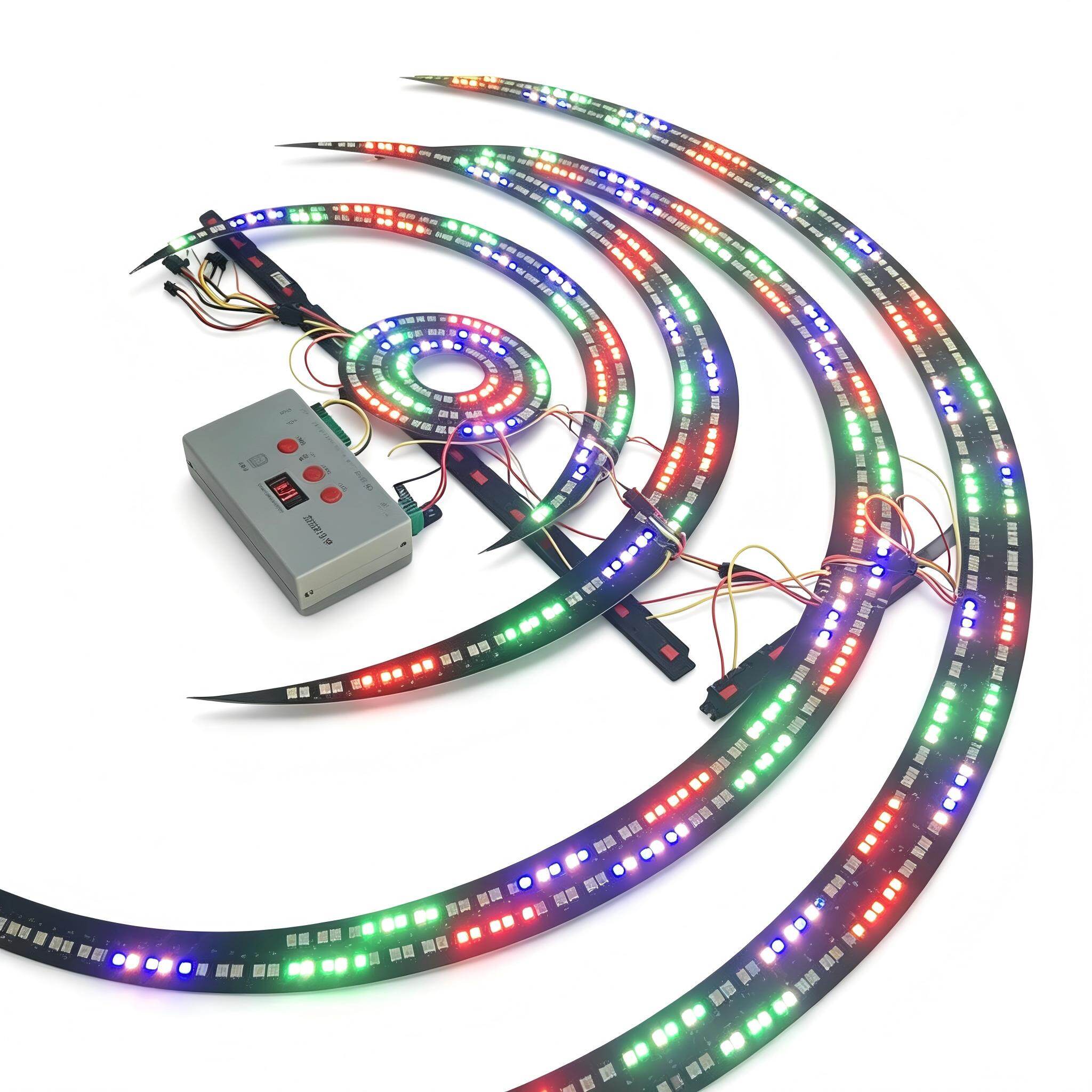
From concept to production, we provide end‑to‑end LED customization. Whether you have a ready‑to‑manufacture design (OEM) or a project vision that needs engineering (ODM), we deliver tailored solutions with low MOQ support for pilot projects and full‑scale production.
OEM Capabilities
Your Design, Our Manufacturing
1:1 Sample Replication
Send us an existing sample and we will reverse-engineer it to produce an identical match — same materials, same optical performance, same build quality.
Production by Drawings
Provide your technical drawings or CAD files and we manufacture to your exact specifications, including tolerances, surface finish, and electrical parameters.
Private Labeling & Branding
Custom packaging, logo engraving, labeling, and documentation — we integrate your brand identity into every detail of the product.
Process Optimization
We review your existing design for manufacturability, cost efficiency, and reliability — suggesting improvements without altering the core specification.
ODM Capabilities
Your Vision, Our Design
Concept Development
From a rough idea or mood board to a fully defined product specification — we translate your project vision into engineering-ready designs.
Optical Design
Custom beam angles, light distribution curves, lens selection, and glare control — engineered to match your application's lighting requirements.
Thermal & Structural Engineering
Housing design, heat dissipation analysis, IP-rated enclosures, and mechanical integration — ensuring long-term reliability in any environment.
System Integration
Drivers, controllers, sensors, and communication protocols — we design and integrate the complete electronic system as a turnkey solution.
Component Development
Custom LED modules, PCB layouts, and proprietary connectors developed in-house for projects that demand unique performance characteristics.
How We Work Together
A clear, streamlined process from initial inquiry to final delivery
Requirement Discussion
We understand your application scenario, lighting effects requirements, installation environment, and project timeline.
- Client presents project requirements and application scenarios
- Our team conducts technical feasibility assessment
- Confirm specifications, budget, and preliminary timeline
Solution Design
Our engineers provide preliminary design proposals including product selection, optical simulation, and technical specifications.
- Provide preliminary design and optical simulation
- Select core components (LED, driver, optics)
- Output 3D structural drawings and electrical schematics
- Client confirms the solution
Sampling & Confirmation
We produce samples for your testing and effect confirmation, ensuring the solution meets your expectations before mass production.
- Produce engineering samples
- Conduct photometric parameter testing and reliability verification
- Client testing and feedback
- Iterative optimization until sample approval
Mass Production & Delivery
After confirmation, we proceed with batch production, maintaining strict quality control and on-time delivery.
- Establish quality control plan
- Batch production
- 100% factory testing
- Packaging and logistics delivery
View Our Project Cases
Want to see how we've helped different clients achieve their custom lighting solutions? Browse our project cases to view real results and client feedback.
Browse All Cases →Client Stories: Real Partnerships, Real Results
Beyond the technical specifications, these stories show how we collaborate with clients to solve complex challenges and build lasting partnerships.
From Small Inquiries to Million-RMB Orders: A Story of Trust, Persistence, and Problem-Solving
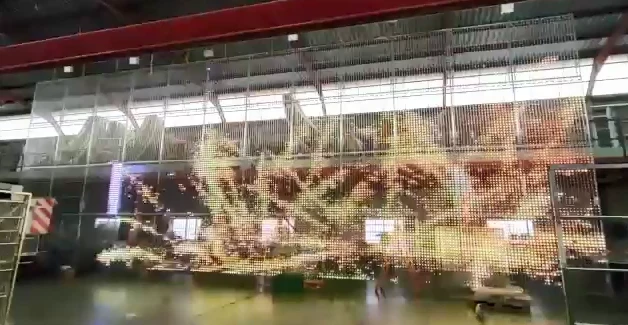
How a small client grew into a million-RMB order through persistence and problem-solving.
From a Missed Visa to a 300-Unit Order: A Belgium Customer Story
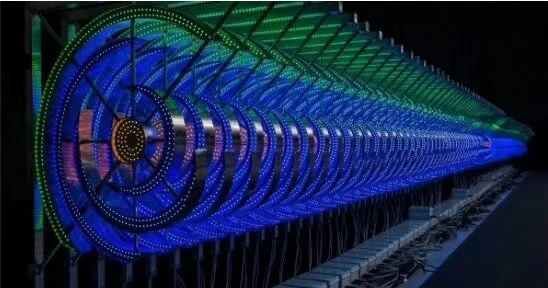
How a missed visa led to a 300-unit custom order built on trust and honest communication.
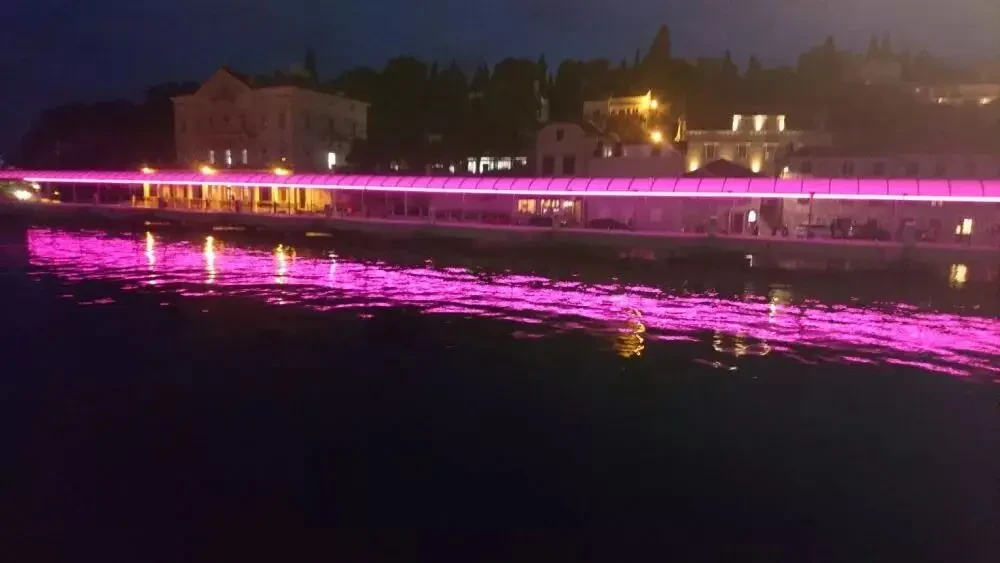
"I Think the Price Is No Problem": A Croatia Story About Trust, Listening, and a $35,000 Order
How listening, preparation, and a night at "Window of the World" won a $35,000 custom LED order.
Lighting Insights
In-depth technical content on luminaire design, optical applications, and LED technology trends — helping you make informed decisions for your custom lighting projects.